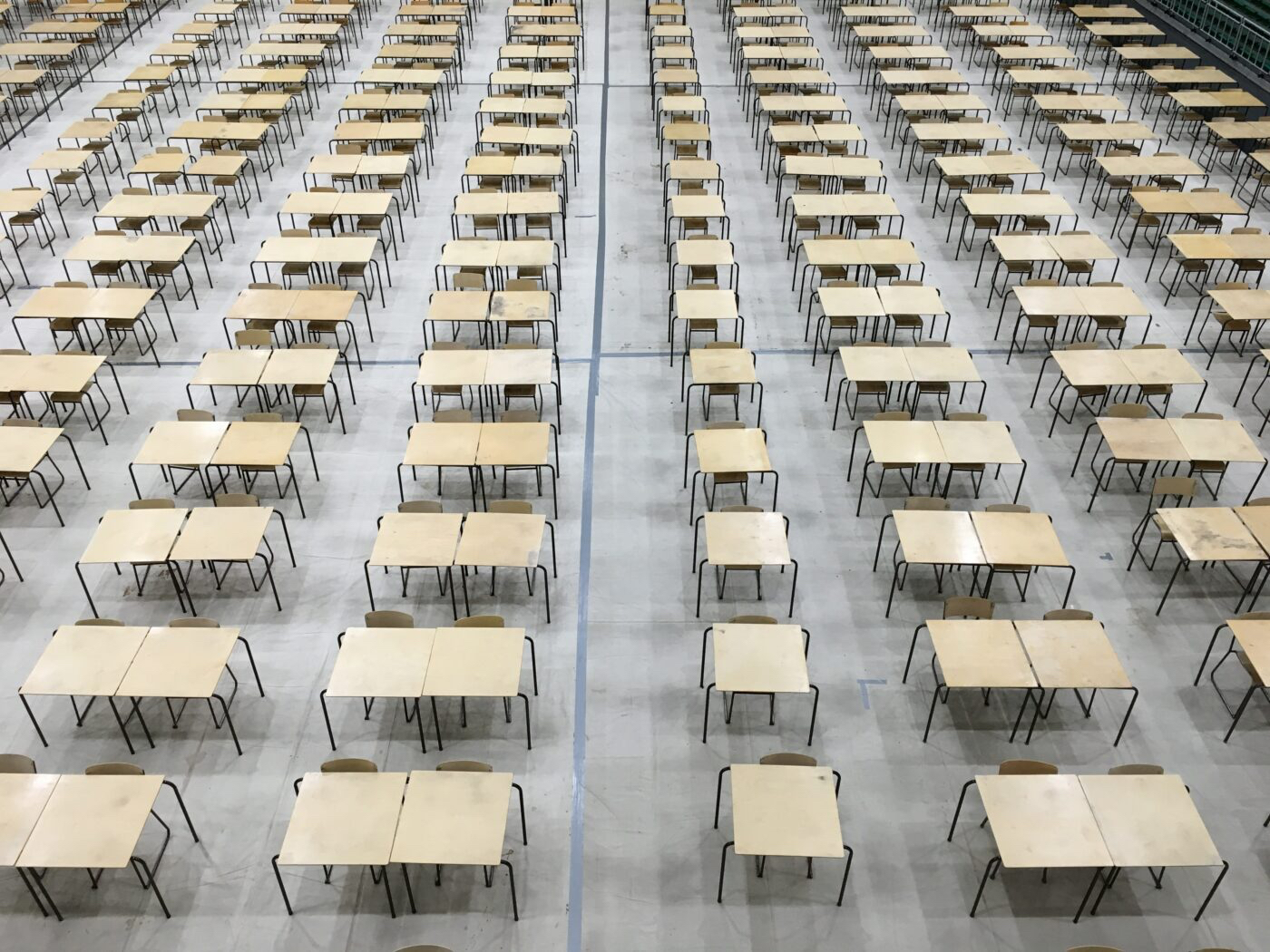
Stressing about uni exams? We've got you.
As much as university is all about fun and socialising, a large chunk is also made up of exams and revision. Which can be pretty stressful. University exams, just like GCSEs and A-Levels, take up a lot of concentration and hard work but there’s nothing like that feeling of relief once they’re done… especially if you know how to revise effectively.
But there are so many ways to revise, it can be confusing to know when you need to start knuckling down, and even how to revise effectively so you’re not wasting time. But don’t panic, we’re here with everything you need to know about revising for university exams and when you should start.
Last updated: 3rd October 2024
In this article:
- When are university exams?
- 7 steps to effective revision
- When is the best time to revise?
- How long should you revise for a day?

When are university exams?
This depends on your uni and your course, but most universities normally have two exams periods; one in January right after the Christmas break and one in the summer which will be just before the summer break. Depending on your uni your summer exams might start in April or May, or might not be until June.
Some degree courses will only have exams once a year, or some might have exams twice a year during both exam periods, or you might just have one in the summer or at Christmas. You can check your university website to find out exactly when your exam periods are, as this may change yearly and will depend on your course and modules.
7 steps to effective revision
We know, where do you even start?! Have no fear - we've got 7 steps to teach you how to revise effectively:
1. Start early enough
You should always aim to try and start revising as early as possible to help you get ahead, but not too early that you’re not going to remember what you’ve learnt by the time the exam actually comes around. Once you’ve worked out exactly when your exams are, you’ll have a clearer picture on what should take a priority, and how much you’ll need to be learning.
It’s probably best to start preparing around about a month in advance, as this gives you plenty of time to take breaks, not cram stuff in, but also get on top of things too. For January exams, most students will start revision in December and over the Christmas break (but there’s no reason why you have to give up fun things over the holidays, you just need to find that balance) and continue this into the new year. For summer exams, it’s best to have exams on your mind after the Easter break and to start thinking about what you’re going to need to do to prepare.
2. Make a revision timetable
The key to a successful study period is a good revision timetable. Whether you choose to do this the old fashioned way by hand, or online (a Google search will show you that there are plenty of good planning websites out there), your timetable should lay out exactly when your exams are and what you need to revise.
Try and be realistic, as much as you may think you’ll be able to get up at 7am every day and smash out a morning of revision, let’s face it, that’s probably not going to happen every day. If you know you like to procrastinate, or your work best later on in the day, schedule your revision time for the evenings or later on in the day rather than first thing in the morning.
Make sure that you leave time in your schedule for the other things you enjoy doing, like going to the gym, doing your weekly food shop, going for a coffee with friends etc. If you still have lectures running in the weeks before your exams, make it your top priority to go as they can really help you to recap and catch up on anything you’re unsure of.

3. Find out where you study the best
A successful revision session is only going to happen if you’re super focused and away from any distractions, so where you choose to revise is really important. Some people don’t like to revise in their room as it makes it hard to separate revision time and chill time (and there is always the temptation to get back into bed), however, some people really enjoy working in the comfort of their own space.
However, working away from your room can also come with the same issues. While the library might seem like an obvious place to camp out in the weeks prior to your exams, this actually might not always be the best idea due to the distractions you may face, especially if you’re going with your friends.
Many university libraries will have quiet zones and private booths and rooms you can book to do some serious revision, which might be a good option if you find it really hard to stay focused. Likewise, coffee shops and cafes are also a good option to get out of your house to do some revision, but the noisy background can also be a bit of a distraction.
If you are going to be studying with your friends, you can help each other out, motivate each other and enjoy breaks together, but be wary that a group trip to the library might prove less productive than you might think and for a serious revision session you may want to go alone.
4. Find a method that works for you
When it comes to revision, everyone has their own individual ways of studying that works best for them. While some people are visual learners and love mind maps for revision and using flashcards, other people prefer just to make notes and study them instead.
If you are a visual learner, it’s never too early to start making flashcards as you can carry these around with you or put them up in your room to familiarise yourself with the exam topic.
The most important thing is that you find the best revision techniques to suit your personality. If reading pages and pages of notes isn’t your thing, then you’ll struggle to motivate yourself to revise effectively.
This is even more important if you’re neurodiverse, so we’ve got a guide on studying when you have ADHD to help find your best study techniques.

5. Take regular breaks
Taking breaks is the most important part of revising successfully and to make sure you don’t feel burnt out and exhausted. How often you should take breaks can vary based on how well you find it to stay focused. Some people don’t like to take breaks too frequently once they’ve started revising as it can interrupt their flow but other people like to take regular breaks and can easily get back to what they were doing afterwards.
If you’ve been avoiding your phone, you can take 20-30 minute breaks after a successful revision period to catch up on what you’ve been missing out on, or perhaps going for a quick walk around the library or to the cafe can help you to clear your head. If you did go to the library with friends, it can be a good idea to all plan when you’re going to take your break together. Plus, if you’ve all planned when to study, take a break and get back to studying, there’s a good chance one person in the group will hold you accountable for getting back to work once your break is over.
6. Keep your body healthy
While it’s tempting to load up with all the snacks and energy drinks when you’re revising, making sure you keep a (relatively) healthy diet and get some exercise means your brain will feel better too.
While we don’t recommend all-nighters, we’ve got advice on what to eat when you’re studying, which translates to revision too.
When it comes to exercise, it might not be your favourite thing in the world, but even breaking up your study sessions with a walk can really help clear your mind. This will keep you feeling refreshed and avoid burning out with too much cramming.
7. Find balance
This is the tricky part, as exams can feel really overwhelming especially during the January exam period when it’s the end of the year and you want to get involved with festive celebrations.
Remember that uni exams are important, but they shouldn’t be taking over your life. With a good revision timetable and starting in plenty of time, there’s no reason why you can’t enjoy spending time with your family and friends and relaxing during a busy exam period too. The chances are, most of your friends will be feeling the same pressure, meaning the regular social activities you tend to do will probably be on hold and you won’t be going out as frequently.
Try and make time for yourself instead, and schedule time each day to do something you enjoy such as going for a walk for a coffee, exercising, binge-watching your fave Netflix show, reading, playing video games or any other hobbies you enjoy.
Just remember that exams are stressful but you’re not alone! You can always talk to your friends about it as they’ll be feeling exactly the same, and once your exams are done that’s it they’re done! The post-exam relief is seriously real, and you’ll have plenty of time to celebrate and relax with your friends once the exams are completely out of the way.
When is the best time to revise?
Some people prefer to revise in the morning when their brain is feeling fresher. But you know you better than anyone else! So think about when you’re most productive. For some, it could be 2am. For others, they might be early birds. It’s important to hone in on what will be the best time for you. There’s no one-size-fits-all method for this.
As you start to revise and get used to the rhythm of it, you’ll probably notice a natural inclination to various times of the day anyway.

How long should you revise for a day?
Similarly to the best time, you know yourself better than anyone. But it’s generally a good idea not to cram too much in. Dr Radha, presenting BBC Radio 1’s Life Hacks, suggests to “split your day into thirds. So one third should be revising, one third should be doing something you enjoy, and the other third should be sleeping.”
This means you’ll be able to stay fresh enough to manage the new information in your head, and revise for longer periods of time without burning out.
For those ever-important study breaks, check out the best student discounts from all your favourite brands.